September 16, 2026 Post by : Editorial Genre Studies
The House That Eats: Domestic Space as Predator in Modern Gothic Horror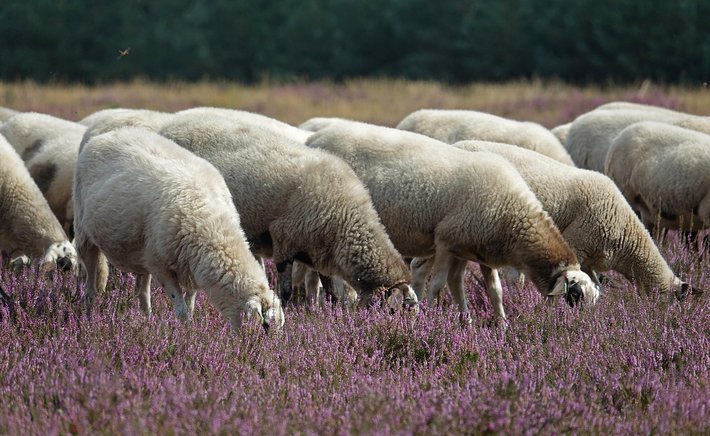
American Gothic has its haunted houses and its small towns with secrets. British Gothic has something older and stranger: the land itself. The moors, the fens, the cliffs, the endless grey rain — these are not settings. They are characters, and they are almost always hostile.
Consider Emily Brontë's Wuthering Heights. The house is named for the weather, not the family. The moors between Wuthering Heights and Thrushcross Grange are not a romantic backdrop for Cathy and Heathcliff's doomed passion; they are a testing ground, a place where the boundary between human and animal blurs. Catherine dreams of being thrown out of heaven and waking on the moors, sobbing with joy. That joy is not sentimental. It is the recognition that the land is more honest than any drawing room.
The Fen, the Moor, the Cliff
Arthur Conan Doyle's The Hound of the Baskervilles is often remembered for the hound, but the true terror is the Grimpen Mire — a bog that swallows ponies whole and hisses with unseen gas. The moor is a place where logic fails, where Holmes himself seems diminished. The hound is a weapon, but the land is the accomplice. It hides the truth, muffles screams, and offers no landmarks to the lost.
Daphne du Maurier understood this instinctively. In Jamaica Inn, the Cornish coast is a character with a will of its own — wreckers luring ships onto rocks, the sea as a kind of hungry god. In Rebecca, Manderley is surrounded by woods and a sea that seems to breathe. The famous opening line — "Last night I dreamt I went to Manderley again" — is not a dream of a house. It is a dream of a landscape that refuses to let go.
More recent British Gothic has continued the tradition. Andrew Michael Hurley's The Loney places its horror in a bleak Lancashire pilgrimage site where the land is soaked in old blood and older faith. Sarah Perry's Melmoth wanders across Europe but returns always to the fen, to the flat, black water that reflects nothing back. These writers know that a landscape can be haunted without a single ghost.
Why the Land Terrifies Us
The British Gothic landscape is terrifying because it is indifferent. It does not care about the protagonist's inheritance, their love affair, their carefully constructed identity. It was here before them and will be here after. It has its own laws — tides, seasons, bogs that swallow — and human law is a thin veneer over something ancient.
This is a very different fear from the American Gothic, which tends to locate horror in community and history. The British version locates it in geology. The moors do not hate you. They simply do not notice you. And in a genre built on the struggle for meaning, that indifference may be the darkest thing of all.
When you next read a Gothic novel set in England, pay attention to the weather. It is not atmosphere. It is a warning.


Author

22 feb,2025
This incident opened my eyes to the value of Insurance in general, so I decided to examine my personal and business insurance.



Comment (3)
The payments are made directly from one person to another without passing through a central bank or clearing house.
22 feb,2025
ReplyBlood on the Moors: Landscape as Antagonist in British Gothic Fiction
23 feb,2025
ReplyReview: 'The Hollow Bride' by Marisol Vance — A Wedding, a Curse, and a House That Wants a Wife
23 feb,2025
Reply