September 13, 2026 Post by : Editorial Reviews
The House That Remembers: Why Haunted Architecture Terrifies Us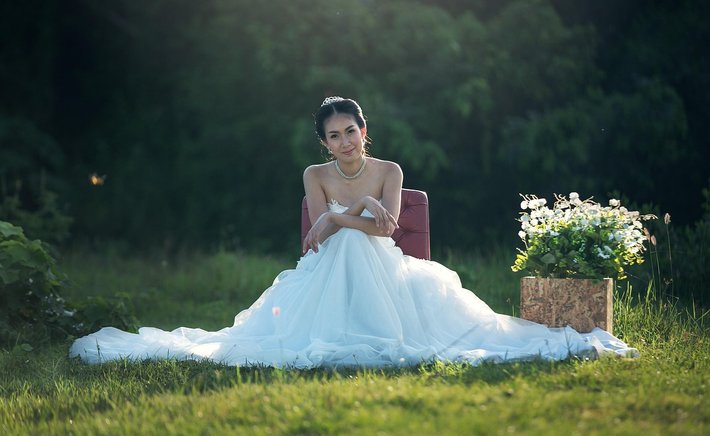
There is a subgenre of Gothic horror that might be called the marriage plot gone wrong — stories where the wedding is not an ending but a trap, and the groom is not a savior but a jailer. Marisol Vance's debut novel, The Hollow Bride, takes this tradition and strips it down to bone and lace.
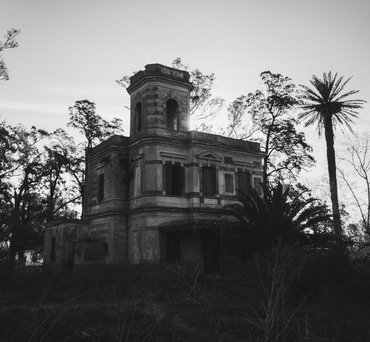
The setup is deceptively simple. Ines, a young woman with no family and few prospects, accepts a proposal from a wealthy widower named Augustin. He lives in a house called La Novia — "the bride" — on a remote stretch of Spanish coast. The house is famous locally for a reason no one will explain. The wedding is small. The guests are strange. And from the first night, Ines realizes that Augustin does not want a wife. He wants a replacement.
Vance is not interested in jump scares. She is interested in the slow erosion of a self. Ines begins to lose time, to find her belongings moved, to hear a woman's voice in the walls. The house is not haunted in the traditional sense. It is hungry. It has been waiting for someone to fill a role, and Ines is not the first woman to try.
The Terror of Being Replaced
What makes The Hollow Bride so effective is its restraint. Vance never explains too much. The reader learns the rules of La Novia at the same pace as Ines — through observation, through mistake, through the growing suspicion that the house is not the only thing that wants something from her. Augustin is not a monster. He is worse: a man who genuinely believes he is kind, who has convinced himself that his demands are reasonable, who cannot see that his love is a kind of consumption.
The prose is precise and cold, with moments of startling beauty. "The sea was the color of old pewter, and the house drank it in." Vance understands that Gothic horror works best when the sentences themselves feel slightly wrong — too quiet, too deliberate, as if the narrator is afraid to speak too loudly.
The middle section drags slightly. Vance is more interested in atmosphere than plot, and some readers may grow impatient with the lack of answers. But the payoff is worth it. The final fifty pages are a masterclass in escalation, as Ines realizes that the only way to survive La Novia is to stop being the woman it wants her to be.
Who Should Read This
The Hollow Bride is for readers who loved Rebecca but wished it were darker, for fans of Silvia Moreno-Garcia's Mexican Gothic who want something more claustrophobic, and for anyone who has ever felt that marriage — or any institution — was asking them to become someone else. It is not a cheerful book. It is not meant to be. It is a book about the cost of being loved by something that does not understand you, and it will leave you checking your own reflection for signs of someone else.
Vance is a writer to watch. The Hollow Bride is a confident, unsettling debut that proves the Gothic is not a museum piece. It is a living thing, and it is still hungry.


Author

22 feb,2025
This incident opened my eyes to the value of Insurance in general, so I decided to examine my personal and business insurance.



Comment (3)
The payments are made directly from one person to another without passing through a central bank or clearing house.
22 feb,2025
ReplyThe House That Eats: Domestic Space as Predator in Modern Gothic Horror
23 feb,2025
ReplyThe House That Remembers: Why Haunted Architecture Terrifies Us
23 feb,2025
Reply