October 4, 2026 Post by : Editorial Genre Analysis
The Monster You Married: Domestic Horror and the Gothic Tradition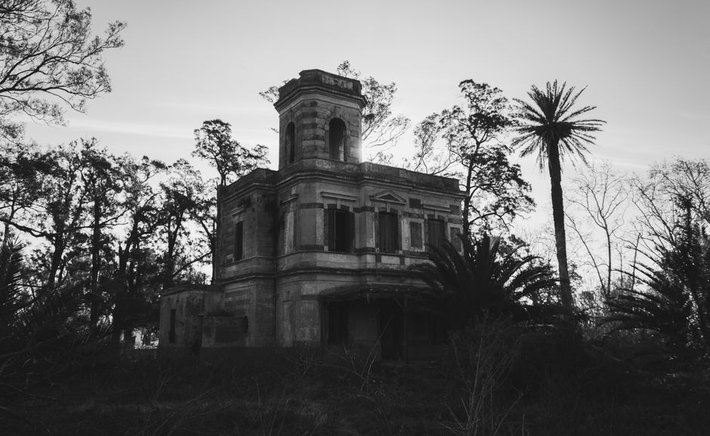
There is a moment in nearly every great haunted house story when the reader stops asking whether the house is haunted and starts suspecting the house is doing the haunting. Shirley Jackson understood this instinctively. In The Haunting of Hill House, the mansion is not a stage for ghosts so much as a living, breathing antagonist with opinions about who gets to leave. The walls are not crooked by accident; the architecture itself seems to be listening.
The haunted house works on us because it weaponizes something we normally trust. Home is supposed to be the one place where the rules hold. When a house turns against its occupants, the violation cuts deeper than any jump scare. We are not afraid of the dark hallway — we are afraid that the hallway has been waiting for us.
Architecture as Character
What separates a forgettable haunted house novel from a lasting one is usually whether the author treats the building as a character with a biography. The Overlook Hotel in The Shining has a history, a personality, and a hunger that predates the Torrance family by decades. Stephen King gives us the scrapbook, the old photographs, the guest who never checked out. By the time the blood arrives in the elevator, we already believe the hotel is capable of cruelty.
Compare this to stories where the house is merely creepy wallpaper. A squeaking floorboard is atmosphere. A floorboard that creaks in a rhythm matching your footsteps is authorship. The best writers in this tradition understand that dread accumulates through specificity — the smell of a particular room, the way a staircase seems one step longer at night, the door that was open and is now closed. These details do not just describe a house. They give it intent.
This is also why renovations and remodeling make such effective horror devices. Every wall torn down is a memory uncovered. Every new coat of paint is an attempt to lie to a building that knows better. The house remembers what the family wants to forget, and the renovation only delays the reckoning.
Why We Keep Coming Back
Part of the enduring appeal is practical: a haunted house is an economical horror engine. You do not need a monster budget when a single hallway can do the work. But the deeper reason is emotional. Most of us carry some version of a haunted house inside us — a childhood home we cannot revisit without flinching, a room where something changed. Gothic fiction about architecture gives that private feeling a shape and a floor plan.
When a house in a novel refuses to let its occupants go, it dramatizes something true about grief, memory, and the places that raised us. We leave home, but home does not always leave us. That is the quiet cruelty at the center of the genre, and it is why the creaking floorboard will never stop working on us. The house remembers. So do we.


Author

22 feb,2025
This incident opened my eyes to the value of Insurance in general, so I decided to examine my personal and business insurance.



Comment (3)
The payments are made directly from one person to another without passing through a central bank or clearing house.
22 feb,2025
ReplyThe Monster You Married: Domestic Horror and the Gothic Tradition
23 feb,2025
ReplyFive Forgotten Gothic Novels Worth Rescuing from the Shelf
23 feb,2025
Reply